A card decline feels like a personal rejection, even though it is usually just math and risk rules doing their job. The checkout page freezes, the message looks blunt, and the brain immediately starts inventing worst-case scenarios. In reality, a “card not accepted” moment is often a safety feature working exactly as designed.
That is why some people treat payment attempts like the lucky numbers of today and keep retrying until something goes through. But repeated retries can trigger even more blocks, because systems read frantic behavior as suspicious. A calmer approach usually fixes the problem faster and keeps the account safer.
Why a Card Can Be “Not Accepted”
A decline is not always about money. It can be about location, device signals, merchant category, or a security rule set by the bank. Modern fraud prevention is layered, meaning the card network, the bank, and the merchant can all say “no” for different reasons.
Common triggers include mismatched billing details, unusual spending patterns, cross-border payments, currency conversions, or a merchant that has a higher risk profile. Sometimes the bank blocks the first attempt simply because the pattern looks new, not because the payment is actually dangerous.
The Hidden Upside of a Decline
Declines can be annoying, but they can also be protective. A block can stop a fraudulent transaction, prevent an accidental duplicate charge, or keep a compromised merchant from touching card data.
It can also save a budget. A pause at checkout gives time to recheck the total, verify the merchant name, and confirm whether the website is real. Many scams rely on speed and pressure. A decline slows everything down, which is exactly what a scam hates.
What to Do Immediately Without Making It Worse
The first rule is to avoid rapid-fire attempts. Two or three quick retries can raise the risk score and lock the card for that merchant or even temporarily for all online transactions.
Instead, treat it like troubleshooting with a cool head.
Fast fixes that solve most card declines
Before the list, it helps to focus on low-risk checks that do not create new alerts. The goal is to confirm details and reduce the signals that look suspicious.
- confirm billing address and name match the bank profile
- check available funds and daily online limits in the banking app
- verify the card is enabled for online and international payments
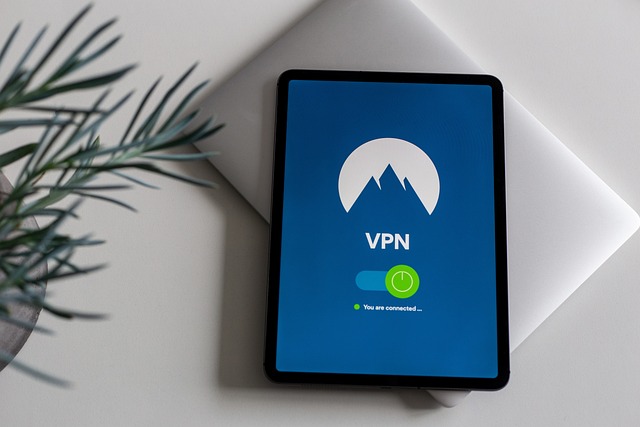
- try a different browser or disable a VPN for the checkout step
- wait ten minutes before trying again to avoid rapid retry flags
- contact bank support through the official app if a block is visible
After the list, a simple principle stands out. Payment systems reward consistency. Clean inputs, stable connection, and fewer repeated attempts usually lead to approval.
When the Problem Is the Merchant, Not the Card
Sometimes the card is fine and the merchant is the issue. Payment providers can block certain businesses, or the merchant’s payment gateway can be misconfigured. A decline can also happen when the merchant fails extra verification steps like 3D Secure.
There are also cases where the merchant is intentionally vague. If the website does not show clear company details, refund policy, and secure checkout indicators, a decline is not a problem to “fight through.” It is a warning to step back.
Safer Alternatives That Still Keep Control
If a payment must be made but the card keeps failing, safer options can reduce exposure. The idea is to avoid sharing primary card details everywhere and to keep the ability to pause access quickly.
Virtual cards, one-time card numbers, and digital wallets can add a buffer. Bank transfers can be safer for known merchants, while cash-based vouchers or prepaid options can be useful for controlling spend.
Safer payment options that reduce risk and stress
Before the list, it helps to pick methods that match the situation. The safest choice depends on whether the merchant is trusted and whether recurring payments are needed.
- use a virtual card with a spending cap for online purchases
- pay through a digital wallet to avoid exposing full card details
- choose a trusted local payment method when offered
- use a prepaid card for subscriptions and trial offers
- consider bank transfer only for verified merchants and invoices
After the list, the takeaway is control. The best payment method is the one that limits damage if something goes wrong.
Why “Not Accepted” Can Be a Budget Win
A decline can prevent impulse spending in the exact moment when emotions are loud. It can also block subscription traps, where a small charge turns into recurring fees. Many people notice the trap only after a statement arrives. A decline can stop that story at the first page.
It can also highlight risky behavior patterns. If declines happen often during late-night browsing, on unfamiliar sites, or with aggressive discounts, the system might be reacting to genuine risk. Listening to that signal can reduce future headaches.
How to Prevent Future Declines Without Losing Security
Prevention does not mean lowering all defenses. It means setting up payments in a way that looks normal and stays predictable.
Keeping bank profiles updated, enabling 3D Secure, using reputable merchants, and avoiding constant VPN switching can reduce false alarms. For frequent travel or international buying, informing the bank ahead of time can also help.
A declined card is not always a failure. Sometimes it is a gate doing its job. The smart move is to treat the gate as information, not as an enemy, and to use the moment to choose a safer path forward.